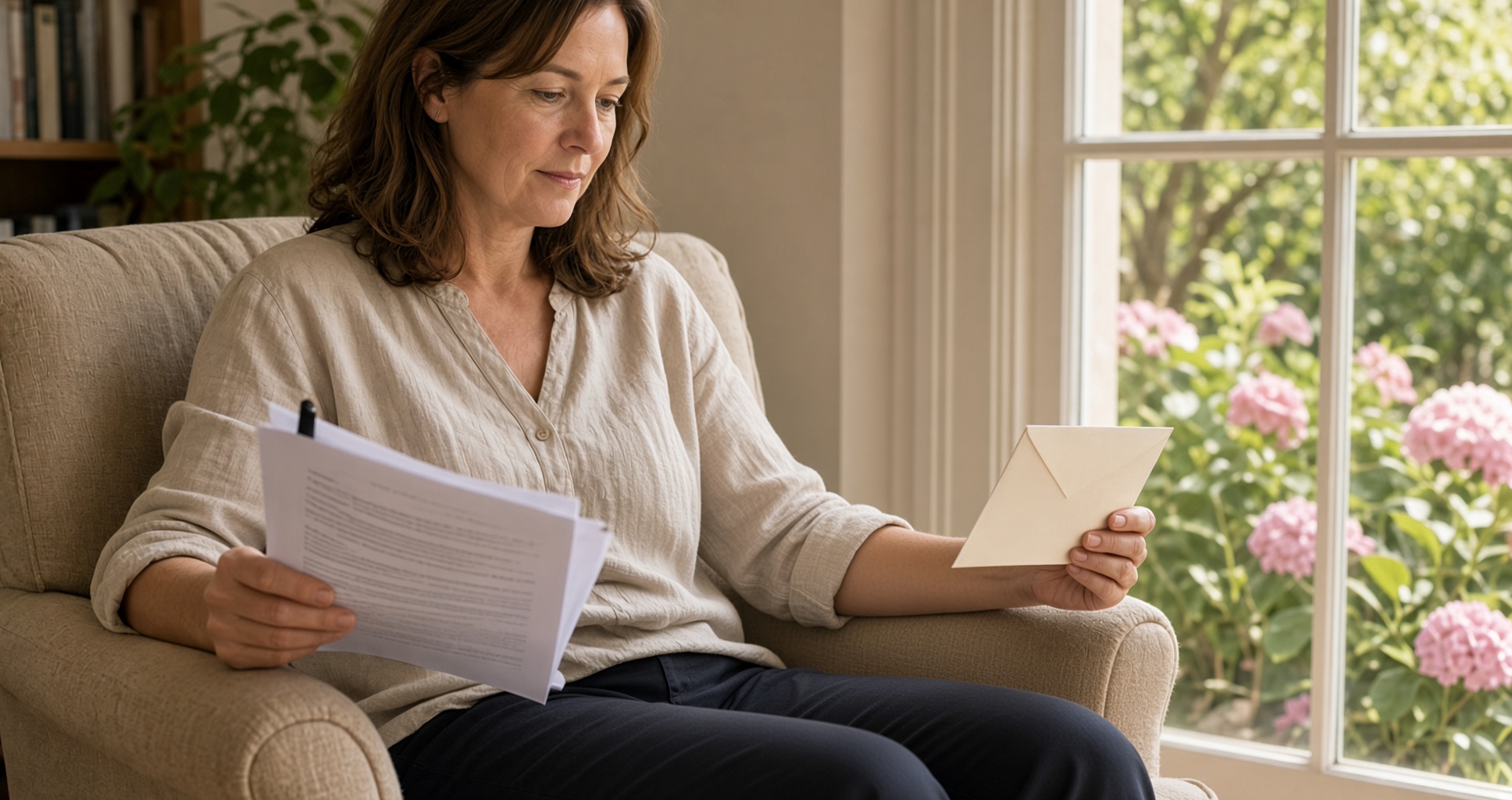
On 28 September 2026, Christo Mulder Attorneys asked a question that a lot of people have already answered in private. Someone, somewhere, is typing “write me a will” into a chatbot the way they would ask it to write a birthday speech. The output looks like a will. That is the problem.
South Africa has already seen what confident drafting can do when nobody checks the sources. The Department of Communications and Digital Technologies published a draft National AI Policy in Government Gazette 54477 on 10 April 2026. Two weeks later Minister Solly Malatsi withdrew it, after an internal review confirmed that the reference list contained fictitious sources. Public-interest group Article One had flagged at least six citations that looked like AI hallucinations. The withdrawal was later gazetted. This month Malatsi told Daily Maverick a replacement draft is aimed at Cabinet by March 2027.
If a national policy on AI can leave the building with invented footnotes, a personal will generated in a chat window deserves the same pause.
What the law actually asks for
A South African will is valid because it meets section 2(1) of the Wills Act 7 of 1953, not because the sentences scan well. It has to be in writing. The testator signs it (or directs someone to sign in their presence, under tight rules). Two competent witnesses, both 14 or older, must be present at the same time and sign. The testator signs every page, not only the last one.
None of those steps can be performed by a model. It cannot sit at the table. It cannot confirm that you understood what you were signing. It cannot notice that a witness is also a beneficiary, which section 4A generally treats as a problem. The Electronic Communications and Transactions Act that makes electronic signatures ordinary in business life does not cover wills.
A one-page handwritten will, signed and witnessed correctly, still beats a twenty-page printout that nobody executed.
The unsigned laptop draft already has a case number
In Perumal v Janse van Rensburg NO and Others [2025] ZAGPPHC 145, Robert Stanton amended his will on a laptop in July 2022, emailed the draft to his executor with a note to send it back “via me to sign”, and died in April 2023 before that signature happened. A voice note closer to the end showed he still meant to finish it. The Pretoria High Court accepted the document under section 2(3) of the Wills Act, the condonation clause that lets a court tell the Master to treat a non-compliant paper as a will if the deceased intended it as one.
That is a rescue, not a method. It required a High Court application after the funeral. Academic commentary in the South African Law Journal still treats electronic wills as a grey zone. Plan as if your family will not want to litigate the chat history.
The same warning sits next to AI use inside the profession. In Mavundla and Northbound Processing, South African courts have already dealt with heads of argument that cited cases which did not exist. If admitted attorneys have to verify every generated citation, a person drafting their own estate papers should not treat the first printout as finished work.
What you can safely ask a model to do
Used as a thinking aid, a chatbot is useful. It can help you list the people you want to name and the assets you hold. It can turn legal jargon into ordinary English before you sit with an attorney. It can produce a packing list for that meeting.
What it cannot do is close the file. It will not know that your retirement fund pays on the nomination form held by the fund, not on a clause in the will. It will not know that a will made before a divorce generally treats the former spouse as having predeceased you only for three months after the decree. It will not know whether a minor needs a testamentary trust, or whether a hardware wallet exists that an executor cannot open with a death certificate.
There is a quieter problem as well. Pasting identity numbers, account balances and family arrangements into a public chat means those details leave the room. Law firms handling the same information sit under POPIA. A private prompt does not.
Keep the signed original, and a file that is not the chat
The will is the paper act. The working file is everything the executor still has to find once the original exists. Where that original lives. Which fund last held a nomination. Which cloud album is the only copy of twenty years of birthdays. Which exchange account exists, named without the recovery phrase sitting in the same line.
Call that working file a Digital Legacy Binder. It is not a second will. South African law recognises one testamentary document. A notes file, a chat export or a “digital will” generated last Tuesday does not replace the wet-ink original the Master needs.
Vaultneur is built as that Legacy Binder. It is a mobile-only encrypted digital vault. Documents and records are encrypted on the device before they leave it, which is on-device envelope encryption in plain language. Each file gets its own AES-256-GCM data key, wrapped by a master key derived from your passphrase. Vaultneur holds no key that can open a vault. That is what zero-knowledge encryption means here.
You can keep an ID record next to a Financial record and a scan of the signed pages, without putting any of those details into clause 7, and without pasting them into a prompt. Family Vault shares selected records using a separate wrap for each recipient. Legacy Vault Release is optional and off by default. Nominate an heir, set a check-in of 30 to 90 days, and if you go silent, access moves through a physical Legacy Card and a claim code Vaultneur never sees.
One limit belongs in the same sentence as the passphrase. There is no password reset. A forgotten passphrase means the vault is unrecoverable, by you and by Vaultneur.
Finish the ceremony, then store the map
If the only version of your wishes lives in a chat thread, print nothing and treat it as notes. Take those notes to someone who can draft against the Wills Act. Sign in wet ink, with two competent witnesses who are not due to inherit. Don’t write over the signed pages.
If you already have a signed original, look at it once. Check the witnesses. Check whether a former spouse is still named after the three-month window. Check the nomination forms that sit outside the will.
On the same afternoon, make the inventory on your phone. Where the original lives. Which accounts exist. Which photographs are only in the cloud. Point the will at that binder in a short clause if you have one. Don’t paste logins into the clause, and don’t paste them into a chatbot either.
Leave the wording of the bequests, a trust for a minor, and any condonation application to a qualified professional. Digital estate planning in this country still starts with paper. The Digital Legacy Binder is how the rest of the life stays findable once that paper is done.